Android Offline Sync with an Outbox and WorkManager: Prevent Duplicate Writes
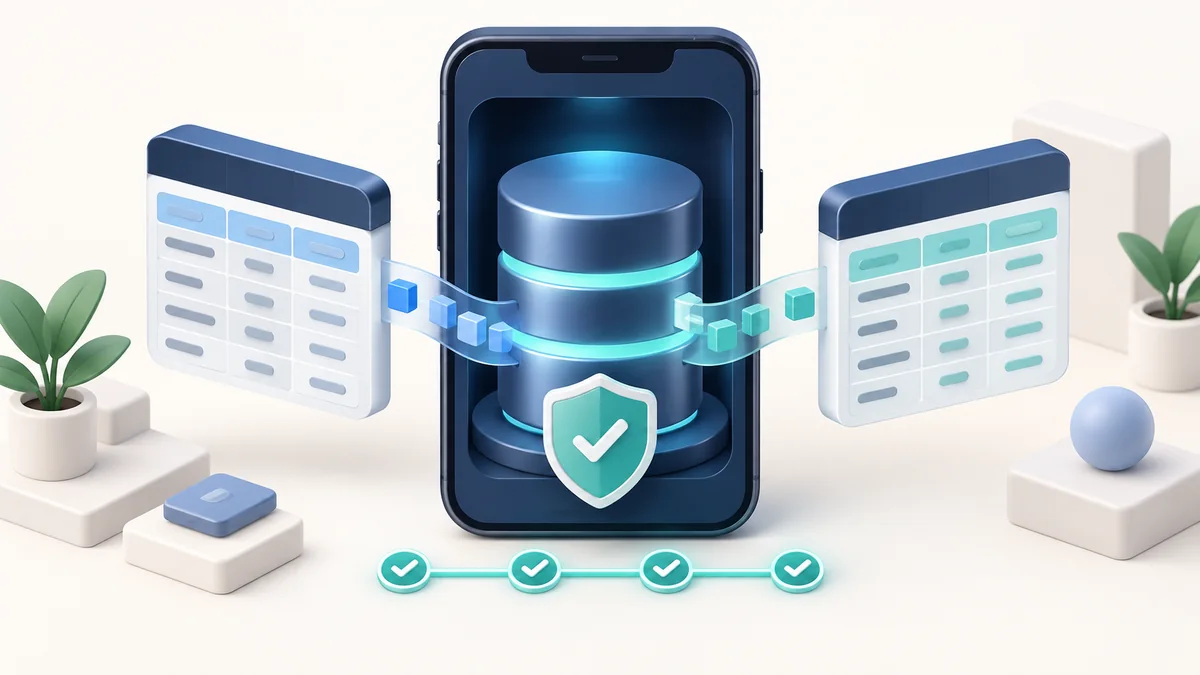
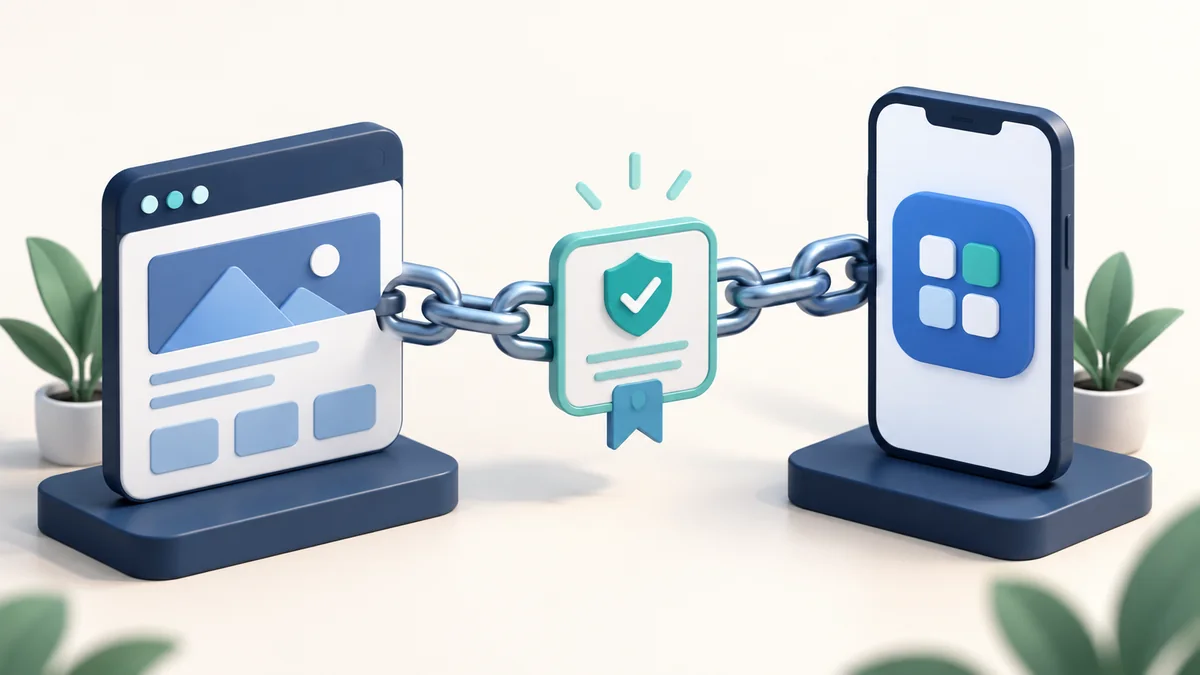
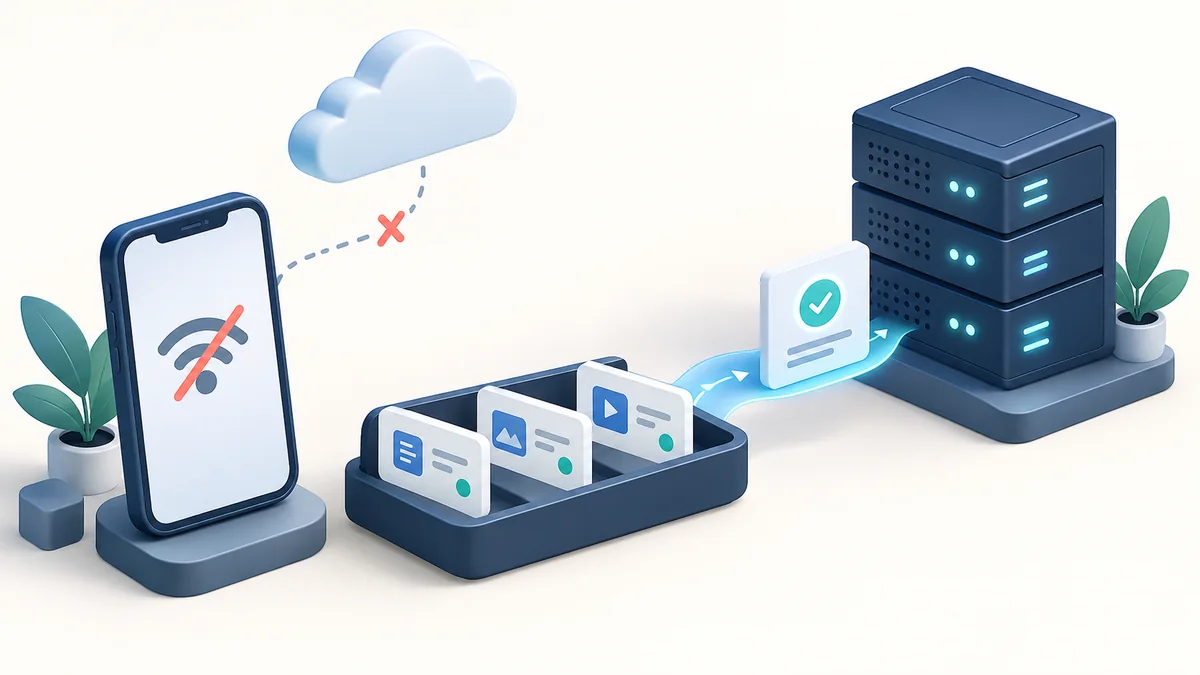
A practical design for local writes, durable delivery and server confirmation when a lost response could otherwise create the same result twice.
Author
A collective byline for field notes reviewed across product and engineering concerns. We use it when the quality of a guide depends on several disciplines rather than one personal viewpoint.
Coverage
Our scope includes product framing, interface behaviour, mobile architecture, release readiness, privacy disclosures and the work required after launch. We do not publish outside that focus simply to follow a search trend.
The team uses official platform documentation for changing requirements and distinguishes practical guidance from a legal or government guarantee. Read our full editorial policy.
Latest articles
A practical design for local writes, durable delivery and server confirmation when a lost response could otherwise create the same result twice.
Test upgrade paths from older populated databases and preserve identifiers, relationships and business state before shipping a new schema.
Plan credential management and recovery alongside passkey sign-in, with explicit account, session and new-device boundaries.
A repeatable release review based on the distributed archive, dependency ownership and documented privacy behavior rather than a file-presence check.
Find the constraints that clip titles and buttons, then adapt the layout so larger system text remains readable and important actions stay reachable.
Separate credentials, preferences and cached content, then control session lifetime rather than reading tokens independently in every screen.
Selection success does not guarantee a worker can read the image later. Separate source access, permission lifetime and upload-task ownership.
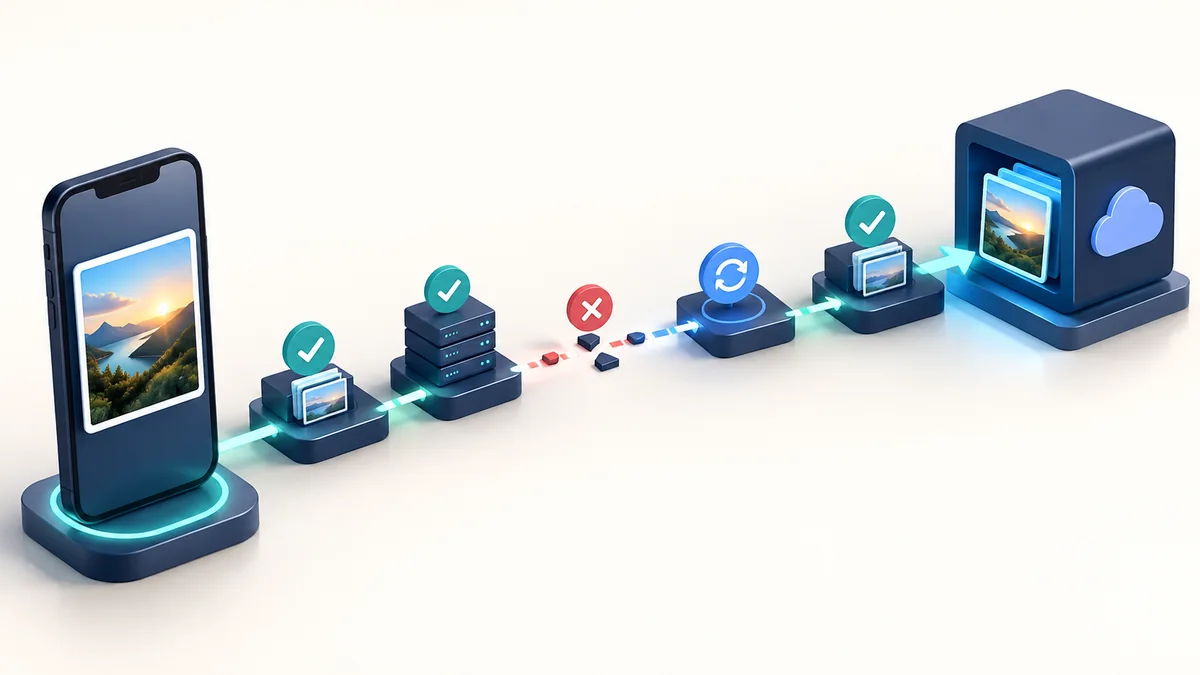
Use an upload session and explicit backend confirmation to recover from interruptions without attaching the same image repeatedly.
Distinguish worker lifetime, resource caches and draft data before forcing an update in a web application people are actively using.
Inspect the public association file, installed signing identity and device state before changing the application’s destination-screen code.
Technology analysis
Apple has released iPhone Duo development resources. The immediate task for product teams is to test live resizing, posture changes, multiple scenes and camera behavior—not simply add another screenshot size.
For apps targeting API 37, Android 17 removes the temporary opt-out from orientation and resizability changes on displays with a smallest width of at least 600dp. A portrait-only assumption can now become a runtime defect.
Google Play has announced memory and code-optimization thresholds for February 2027 and a device-migration sign-in requirement for April 2027. Both belong on the product roadmap now.
OpenAI has introduced the Agents API in public beta. Mobile teams gain a managed agent harness, but still need a server boundary, explicit tool permissions, cancellation and human approval.
Evergreen field notes
A practical way to move from an attractive idea to a testable, supportable mobile release without hiding the difficult decisions.
A decision framework for comparing native iOS/Android development with a shared mobile codebase—without treating the framework as the strategy.
How to design a useful event model, reduce unnecessary collection and keep product measurement aligned with store disclosures.
A release gate for product flows, reliability, accessibility, privacy, store metadata and the people who support the app after launch.